

Root canal treatment is a procedure used to remove infected or inflamed pulp from inside a tooth. If left untreated, this condition can lead to a painful abscess. By performing root canal treatment, the tooth can often be saved, avoiding the need for extraction and preserving your natural smile.
Root canal treatment may be necessary when a tooth becomes infected or inflamed. Common causes include:
- Extensive decay or a large restoration affecting the pulp.
- Cracks or fractures in the tooth caused by trauma.
- Significant enamel and dentine wear exposing the pulp.
- In some cases, advanced gum disease leading to pulp involvement.
Signs Root Canal Treatment May Be Required
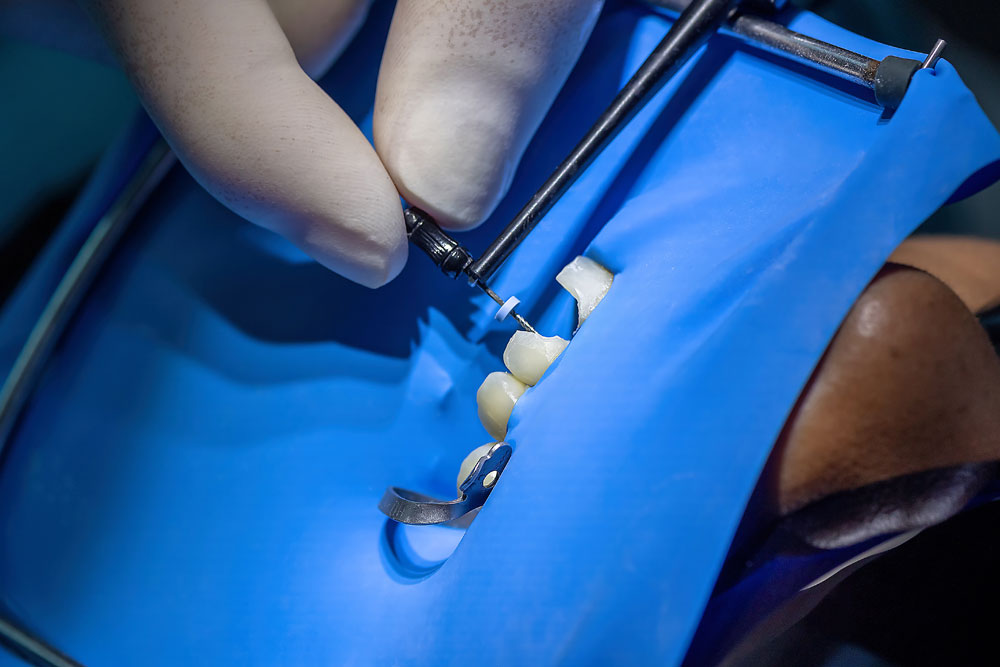
Root canal treatment may be required if the pulp inside the tooth becomes damaged or infected. Common signs include:
- Pain or discomfort in the tooth
- Prolonged sensitivity to hot or cold temperatures
- Discoloration or darkening of the tooth
- Swelling around the tooth or gums
- Tenderness of the gums above the affected tooth
- Persistent bad taste or odor in the mouth
In some cases, there may be no noticeable symptoms, but untreated pulp infection can eventually lead to pain, swelling, and loss of supporting bone.
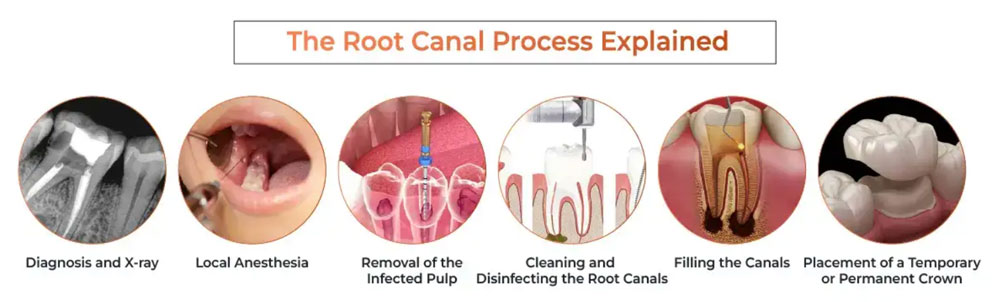
Stages of Root Canal Treatment
A root canal is a routine dental procedure that removes infection from inside a tooth and helps save your natural tooth.
Examination and X-rays
Your dentist examines the tooth and takes an X-ray to see the infection and the shape of the root canals.
Numbing the Tooth
Local anaesthetic is used so you stay comfortable and pain-free during the procedure.
Cleaning Inside the Tooth
A small opening is made in the top of the tooth so the dentist can remove the infected or damaged pulp (the soft tissue inside). The root canals are then carefully cleaned and disinfected.
Shaping the Canals
The canals are shaped so they can be properly filled. This step helps prevent future infection.
Filling the Canals
Once clean, the canals are filled with a special material to seal them and stop bacteria from coming back.
Sealing the Tooth
A temporary or permanent filling is placed on top of the tooth.
Final Restoration (Usually a Crown)
In most cases, a crown is recommended to protect the tooth and restore its strength, especially for back teeth.
After Treatment
It’s normal to feel mild tenderness for a few days, but this settles quickly. With proper care and regular dental check-ups, a root-treated tooth can last for many years.
FAQs
Is root canal treatment painful?
Thanks to modern techniques and local anaesthetic, it’s typically no more uncomfortable than having a filling.
Why would I need a root canal?
If the nerve inside a tooth becomes infected due to decay, trauma or a deep filling, a root canal saves the tooth and prevents further infection.
How long does it take to recover?
Mild soreness may last a few days, but most patients return to normal activities immediately.
Why Us?
At Imperial Dental Care, your smile is our priority. We pair clinical expertise with modern technology to provide dentistry that feels personal, comfortable, and reassuring. Every treatment plan is tailored to you — never rushed and never one-size-fits-all.
Our team is hand-picked for both skill and genuine care. We believe great dentistry is built on trust, empathy, and clear communication. From the moment you arrive, you’ll be welcomed by professionals who listen, respect your concerns, and make your experience smooth and stress-free.
We don’t just treat teeth — we care for people.
Your comfort, confidence, and wellbeing matter here.