



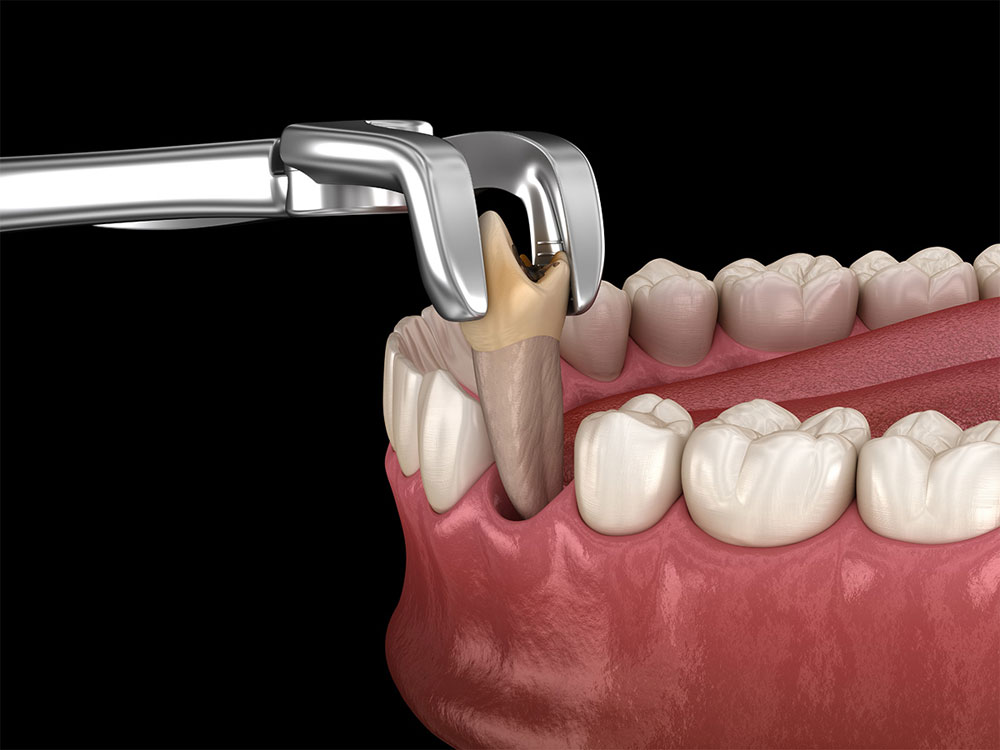
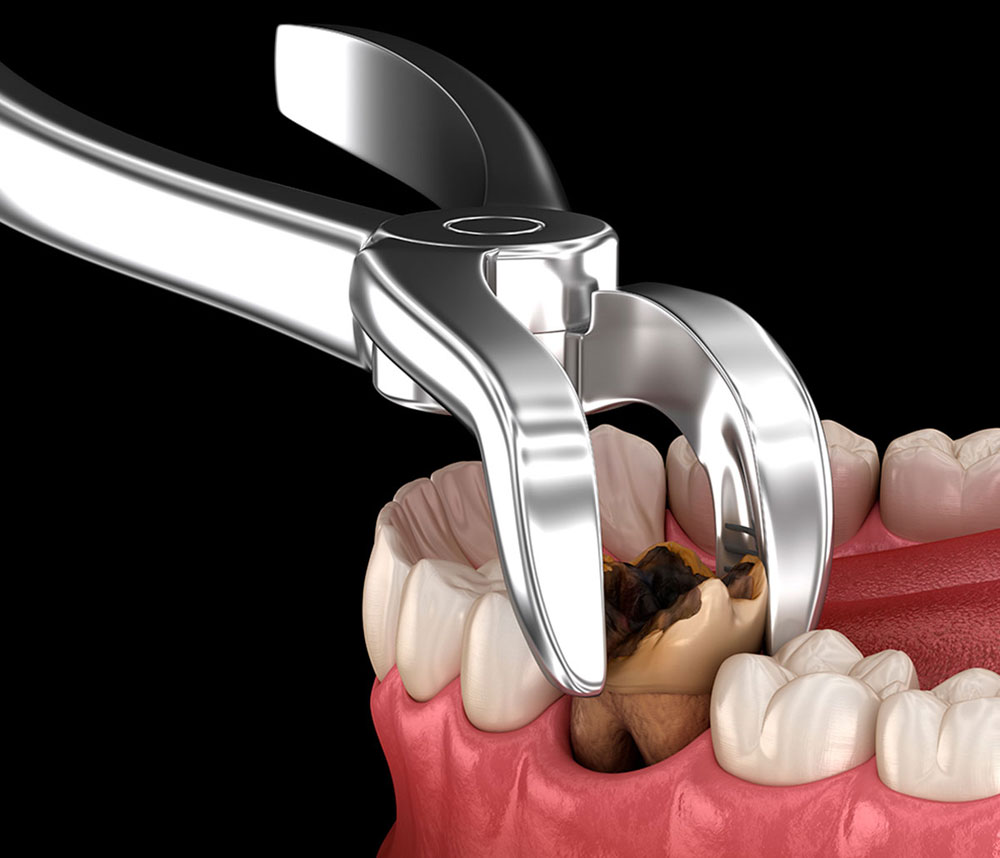
In cases where gum disease or tooth decay is severe, it may become necessary to remove the affected tooth. Tooth extraction helps prevent further oral health complications and protects the surrounding teeth and gums.
Some patients may develop impacted wisdom teeth, which can cause significant discomfort or pain. This is typically resolved through surgical removal performed by a dental professional.
Oral surgery encompasses all dental procedures that require surgical intervention, including the extraction of teeth or wisdom teeth. If you experience any issues with your teeth, it is essential to seek advice from a qualified dentist. Attempting to remove a tooth at home can lead to serious complications and should always be avoided.
Tooth extractions typically involve several steps to ensure safety and comfort for the patient:
- Pre-procedure Assessment: An X-ray of your teeth may be required to assess the tooth and surrounding structures.
- Anaesthesia and Sedation: Depending on the complexity of the extraction and your comfort level, a local anaesthetic will be administered, and sedation may be offered for anxious patients.
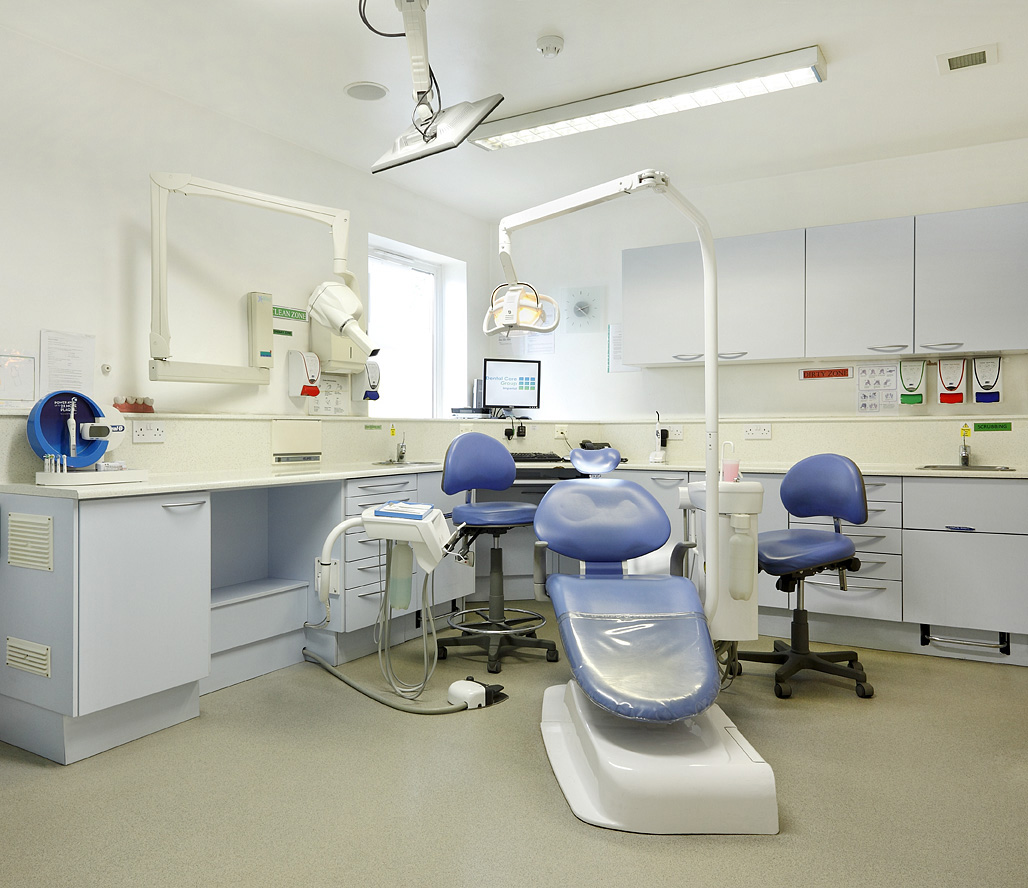
- Professional Extraction: Dentists use specialized equipment in a sterile environment to remove teeth safely, minimizing discomfort and promoting quick recovery.
- Post-Extraction Care: For wisdom tooth extractions, some swelling and discomfort is normal and can be managed with over-the-counter painkillers. In cases of advanced gum disease or periodontitis, antibiotics may be prescribed to prevent further infection.
Post-Procedure Care Tips for Faster Healing
- Follow Dentist’s Instructions: Adhere to all post-procedure guidelines provided by your dentist.
- Control Bleeding: Bite gently on the gauze pad placed over the extraction site to control bleeding.
- Manage Swelling: Apply an ice pack to the outside of the cheek in short intervals.
- Maintain Oral Hygiene: Keep your mouth clean by gently rinsing with saltwater after 24 hours; avoid vigorous spitting.
- Eat Soft Foods: Stick to soft, cool foods for the first few days to avoid irritating the extraction site.
- Avoid Smoking or Alcohol: These can delay healing and increase the risk of complications.
- Rest: Allow your body time to heal and avoid strenuous activities for the first 24-48 hours.
Benefits of Tooth Extractions
- Safe and Sterile Procedure: Performed in a controlled environment with professional care to minimise risk.
- Efficient Recovery: Quick healing time with reduced likelihood of infection.
- Long-Term Oral Health: Helps maintain overall oral hygiene and prevent complications that could affect surrounding teeth and gums.
FAQ
Will my tooth extraction hurt?
No — we use local anaesthetic to ensure you feel no pain, only mild pressure.
How long does healing take after extraction?
Usually 7–10 days, depending on the tooth and your overall health.
Can I replace a tooth after it’s removed?
Yes — we’ll discuss options like implants, bridges, or dentures to restore your smile.
Why Us?
At Imperial Dental Care, your smile is our priority. We pair clinical expertise with modern technology to provide dentistry that feels personal, comfortable, and reassuring. Every treatment plan is tailored to you — never rushed and never one-size-fits-all.
Our team is hand-picked for both skill and genuine care. We believe great dentistry is built on trust, empathy, and clear communication. From the moment you arrive, you’ll be welcomed by professionals who listen, respect your concerns, and make your experience smooth and stress-free.
We don’t just treat teeth — we care for people.
Your comfort, confidence, and wellbeing matter here.