



Types of Dentures
A denture is a removable dental appliance designed to replace missing teeth, restore your smile, and improve your ability to eat and speak comfortably.
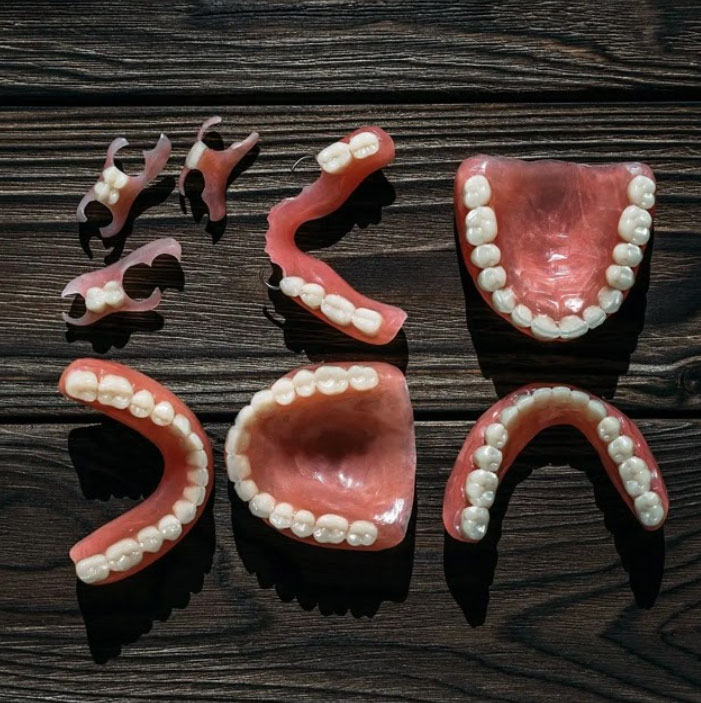
- Partial Denture
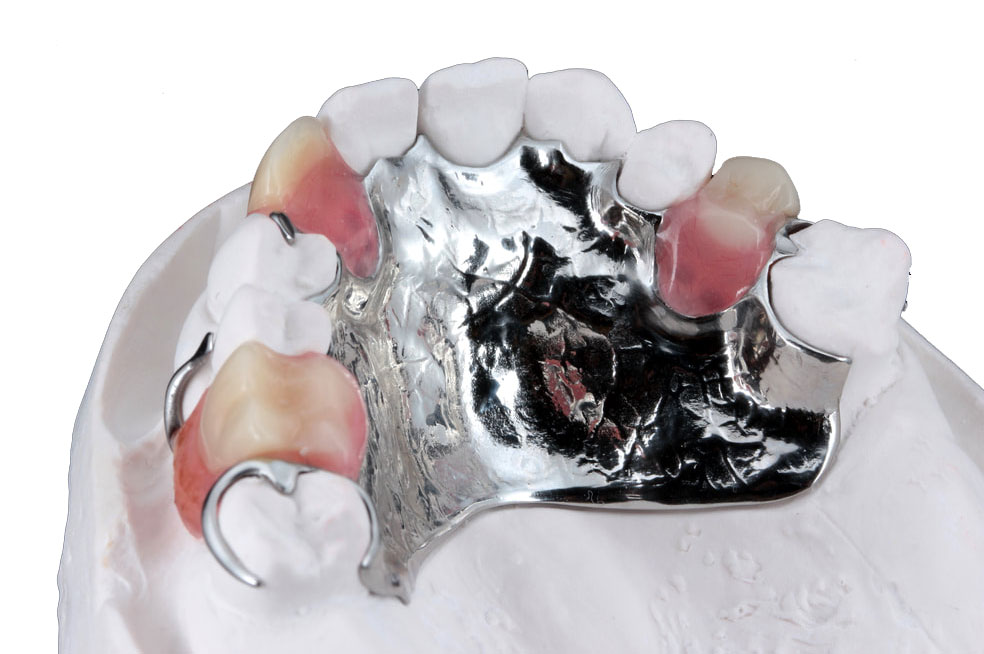
A partial denture is used when a patient has only some missing teeth. It can serve as a long-term solution, or in some cases, as a temporary option while other treatments are planned or completed. - Complete Denture
A complete denture is used when a patient has no remaining natural teeth. Complete dentures can also be supported by dental implants, which improves their stability and bite function. Thanks to advances in dental care, fewer patients today require complete dentures than in previous decades. - Overdenture
An overdenture can be either partial or complete and is designed to fit over remaining tooth roots or dental implants. The main advantage is that the retained roots or implants help preserve jawbone levels, supporting the facial structure and helping maintain a natural appearance.
Materials Used in Dentures
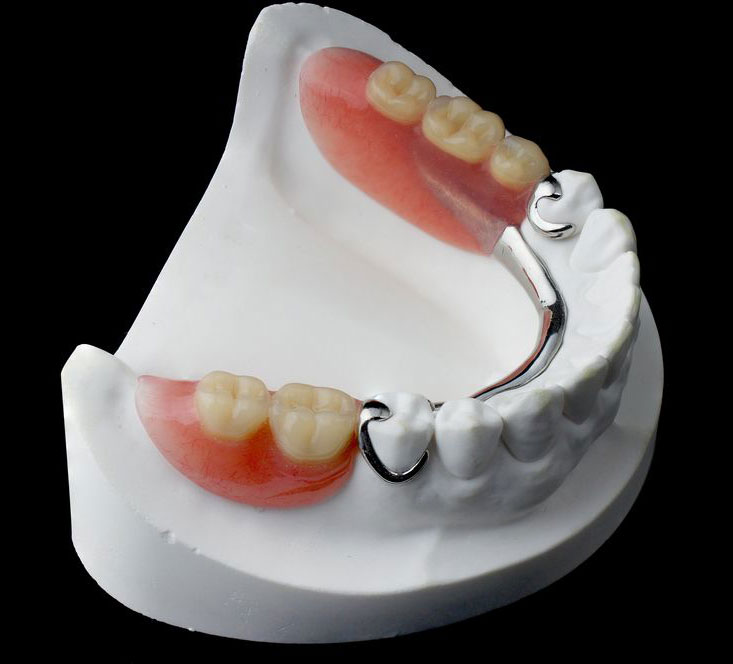
- Acrylic Only
Acrylic is the most commonly used material for dentures and has a long history of reliable use. It is lightweight, comfortable, and can be easily adjusted or repaired. - Combination of Cobalt-Chrome Alloy and AcrylicThis type of denture combines a strong metal framework with acrylic. It is used when extra strength is needed, such as in patients with a particularly strong bite, providing added durability and support while maintaining comfort.
What’s Involved in Denture Treatment
1. Initial Appointment
During the first visit, we assess your overall oral health and examine the condition of your gums and soft tissues. All suitable denture options are explained and discussed with you. This gives you time to consider the recommended treatment plan before proceeding.
2. First Treatment Appointment
Accurate measurements are key to a well-fitting denture. We take an initial impression of your mouth using standard trays. This creates a preliminary model of your jaw, which is then used to make a custom tray designed specifically for you. This tray ensures a more precise impression at the next appointment.
3. Second Treatment Appointment
Using the custom tray, a secondary impression is taken to capture a highly accurate mapping of your jaw. This detailed model allows the dental technician to construct a denture that fits comfortably and securely.
4. Third Treatment Appointment
At this stage, your dentist records the best and most comfortable bite position. Additional measurements and records are taken to guide the technician in shaping the denture, matching the colour of your teeth, and ensuring a natural-looking smile.
5. Trial Fit Appointment
The skeletal framework of your denture is tried in. This allows you to assess the size, shape, fit, and appearance of your new teeth. Your dentist will check your bite, speech, and overall aesthetics, making any adjustments necessary before the final denture is made.
6. Fitting Appointment
Your completed denture is fitted, and minor adjustments are made to ensure comfort and function. Aftercare instructions are provided to help you adapt to your new denture and maintain oral health.
7. Review Appointment
Usually scheduled about a week later, this appointment allows the dentist to make any additional adjustments and ensure your denture fits comfortably and functions well.
What to Expect with New Dentures
New dentures often feel unusual when first placed in your mouth. It may take several days or even weeks to get fully accustomed to them. Adaptation varies from person to person, and patience is often needed before dentures feel comfortable and function effectively.
Tips to Help You Adapt to Your New Dentures:
- Eating: Eating with new dentures takes practice. Start with soft foods cut into small pieces. Chew slowly and use both sides of your mouth simultaneously to prevent the dentures from tipping. Gradually reintroduce other foods until you return to your normal diet.
- Increased Saliva: You may notice extra saliva when your dentures are first inserted. This is a natural response of the salivary glands and usually returns to normal within a few weeks. Swallowing more frequently can help manage this temporary effect.
- Speech: Your speech may be slightly altered at first, and pronouncing certain words may require practice. Most people adapt within two weeks. Reading aloud or speaking slowly can help speed up adjustment.
- Sore Spots: Minor irritation or pressure points may occur where the denture contacts your gums. Your dentist can adjust the denture to relieve discomfort. If irritation is severe, stop wearing the denture and contact your dentist immediately.
With time and proper guidance, most patients adapt well and enjoy the comfort, function, and appearance of their new dentures.
Aftercare for Your Dentures
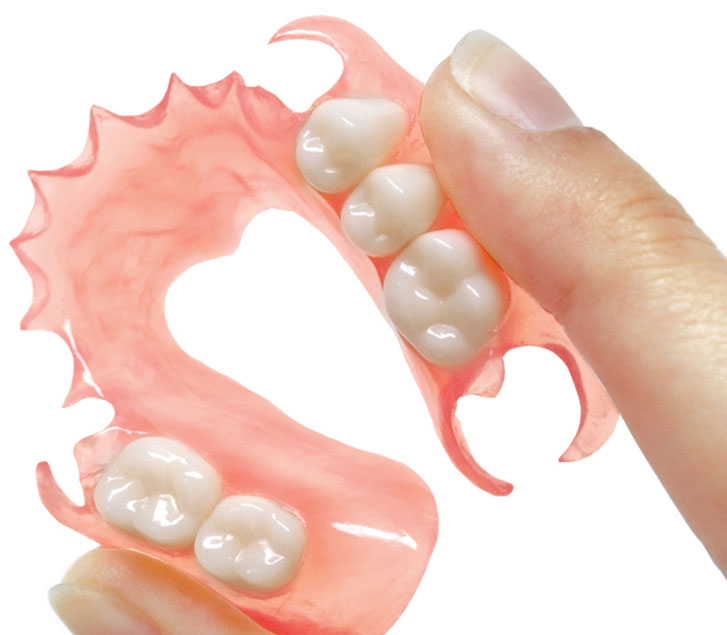
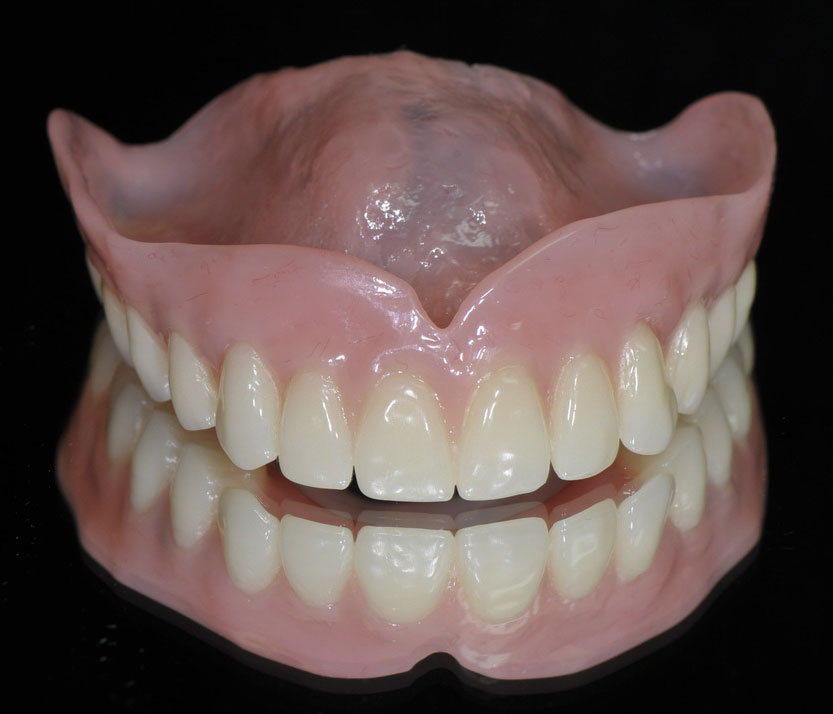
Like natural teeth, dentures can accumulate plaque and food debris, especially in areas where they contact the gums or remaining teeth. Proper cleaning is essential to maintain oral health, prevent stains, and avoid unpleasant odors.
Daily Denture Cleaning Tips:
- Remove and clean your dentures after every meal if possible.
- Use a soft hand brush or a denture brush to gently clean all surfaces.
- Avoid very hot water, as it can warp or distort the denture.
- Use a mild detergent for cleaning. Avoid abrasive cleaners that can scratch the polished surface, and do not use bleach, as it can damage the pink acrylic.
- Hold your denture firmly while cleaning to prevent accidental drops. Washing over a basin filled with water can reduce the risk of damage.
Weekly Care:
- Soak dentures in a denture cleanser once a week to remove stubborn stains.
- Always rinse thoroughly before placing them back in your mouth.
Storage:
- When not in use, store dentures in water or a denture soaking solution.
- Dentures can lose their shape if allowed to dry out, so proper storage helps maintain fit and comfort.
With consistent care, your dentures will remain clean, comfortable, and functional, helping you enjoy your smile and oral health for years to come.
How Long Should You Wear Your Dentures?
During the first few days of wearing new dentures, it is recommended to wear them most of the time, except while sleeping. Always remove your dentures before going to bed to allow your gums to rest and support healthy oral tissues.
Gently massage your gums with a soft toothbrush during this time to stimulate circulation and maintain gum health. When not wearing your dentures, soak them in water to prevent them from drying out and losing their shape.
Following these guidelines helps your mouth adapt comfortably to your new dentures while promoting long-term oral health.
Future Denture Reviews
Over time, your jawbone and gums naturally change, which can affect the fit of your dentures. Dentures that no longer fit properly may cause chewing difficulties, soreness, irritation, infections, or changes in facial support.
To ensure continued comfort and function, it is important to visit your dentist at least once a year for a professional evaluation of your dentures and oral tissues. Your dentures may require adjustments, relining, or minor repairs to maintain an optimal fit. Never attempt to adjust your dentures yourself, as this can cause damage.
With regular dental care, practice, and patience, you will soon be able to eat, speak, and smile confidently, enjoying your dentures much like your natural teeth.
FAQ
Will dentures look natural?
Absolutely. Modern dentures are made to fit your face and complement your features.
Can I eat normally with dentures?
Yes, after an adjustment period, most patients eat comfortably.
How often should dentures be replaced?
Every 5–8 years, as gum and bone shape naturally change over time.
Why Us?
At Imperial Dental Care, your smile is our priority. We pair clinical expertise with modern technology to provide dentistry that feels personal, comfortable, and reassuring. Every treatment plan is tailored to you — never rushed and never one-size-fits-all.
Our team is hand-picked for both skill and genuine care. We believe great dentistry is built on trust, empathy, and clear communication. From the moment you arrive, you’ll be welcomed by professionals who listen, respect your concerns, and make your experience smooth and stress-free.
We don’t just treat teeth — we care for people.
Your comfort, confidence, and wellbeing matter here.