



Crowns are used for several reasons:
A crown is a custom-made cap that fits over a tooth to restore its shape, strength, and appearance. It is securely held in place using dental adhesive or cement.
- To protect weakened teeth that are badly decayed or fractured.
- To restore teeth with large fillings and provide a long-lasting solution.
- To correct cosmetic issues such as spacing, irregular shape, or severe discoloration.
- As a temporary solution during different stages of other dental treatments.
Materials Used for Crowns
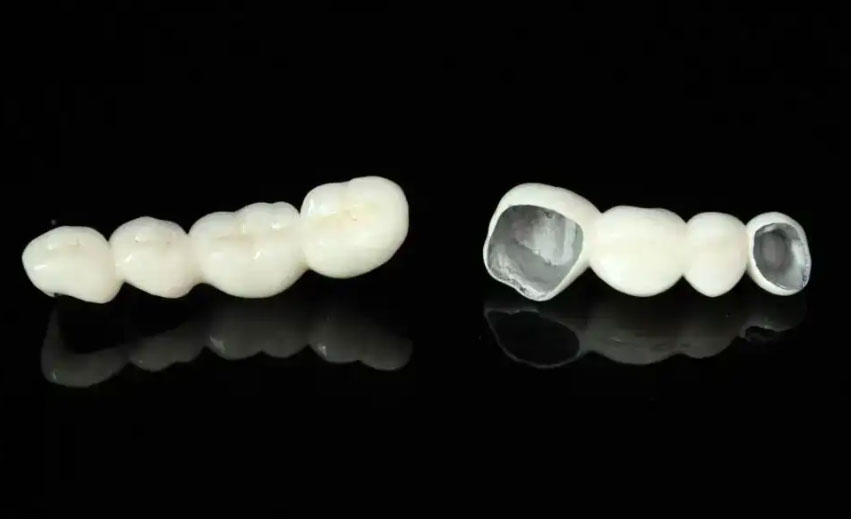
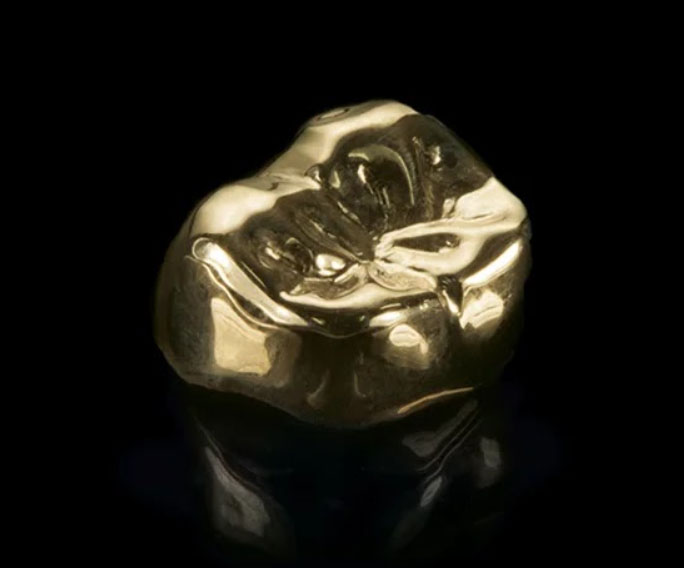
There are three main types of materials used to make dental crowns, each with its own advantages:
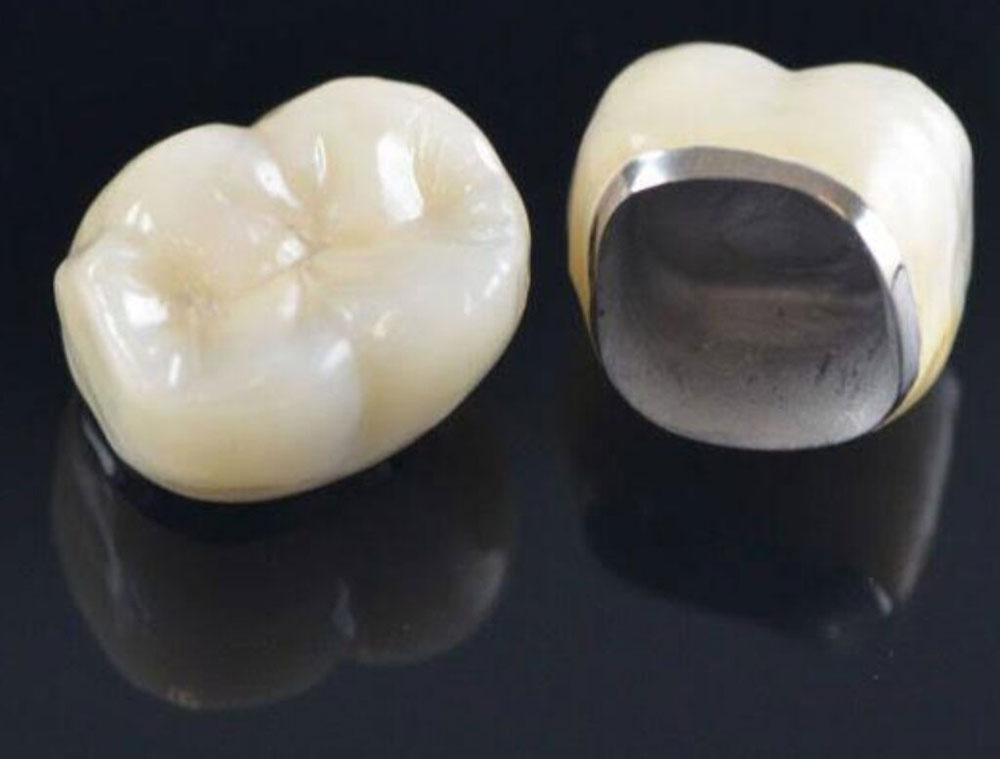
- Porcelain bonded to metal alloy
These crowns have been used successfully for many years. They offer a strong combination of strength, durability, and aesthetics, making them ideal for teeth with a strong bite or those that are heavily discoloured. - Porcelain only
Porcelain-only crowns bond closely to the tooth, providing excellent support while delivering a very natural appearance. Modern ceramic technologies, including zirconia and pressed ceramics, have enhanced their strength, allowing them to be used on both front and back teeth. These crowns are especially valued for their lifelike, aesthetically pleasing look. - Gold alloy
Gold crowns are made from metals with inert, biocompatible properties, making them highly durable and long-lasting. When combined with other metals to form an alloy, they gain additional strength. Gold crowns are extremely comfortable and are usually chosen for teeth where aesthetic appearance is less critical, such as molars.
Stages of Crown Treatment
- Initial Dental Consultation
This may take place during a routine dental check-up or when a patient wishes to discuss a specific dental concern. During this appointment, we will talk through the possible solutions and outline how crowns could help restore your teeth. - Dental Examination
A thorough clinical examination is carried out by the dentist to determine if crowns are suitable. Records such as photographs, X-rays, and sometimes impressions for a diagnostic wax-up are taken. Your dentist will also discuss material options, treatment sequence, and address any questions you may have. A detailed treatment plan is then prepared, allowing the patient time to review and consider their options. - Discussion of Complex Cases
For patients requiring multiple crowns, an additional appointment may be necessary. During this visit, the dentist will review photographs and the diagnostic wax-up from the laboratory to discuss all treatment options and make informed decisions. - Tooth Preparation
The teeth receiving crowns are carefully prepared, usually under local anaesthesia. A small amount of tooth structure is removed to create space for the crown. An impression or mould of the prepared tooth is taken and sent to the dental laboratory, where skilled technicians fabricate the custom crown. In the meantime, a temporary crown is placed to protect the tooth and maintain function - Fitting Appointment
During the final appointment, the temporary crown is removed, and the tooth is cleaned. The completed crown is then tried in to check fit, bite, and appearance. Once everything is satisfactory, the crown is permanently cemented or bonded onto the prepared tooth, restoring strength, function, and aesthetics.
Caring for Your Crown
Crowns are made from durable, inert materials that are designed to last. However, the natural tooth underneath is still susceptible to decay and gum disease, so proper care is essential.
Daily care:
- Brush and floss regularly to maintain good oral hygiene and protect both your crown and the supporting tooth.
- Avoid biting or chewing very hard objects, such as ice or bones, as ceramic crowns can chip or fracture. The most vulnerable area is the margin, where the crown meets the natural tooth.
Regular dental check-ups:
- Attend routine dental and hygiene appointments so your dentist or hygienist can monitor the crown and underlying tooth, detect any problems early, and provide timely treatment if needed.
Dietary considerations:
- Maintain a balanced diet and limit sugary or acidic foods and drinks to help prevent decay on the tooth supporting the crown.
With proper care, your crown can provide a strong, functional, and natural-looking restoration for many years.
FAQ
Are crowns permanent?
Crowns can last 10–20 years with proper hygiene and care.
Do crowns look natural?
Yes, we match colour and shape precisely to your natural teeth for a seamless result.
Can a crown fall off?
It’s rare, but if it does, contact us immediately so we can re-cement or replace it safely.
Why Us?
At Imperial Dental Care, your smile is our priority. We pair clinical expertise with modern technology to provide dentistry that feels personal, comfortable, and reassuring. Every treatment plan is tailored to you — never rushed and never one-size-fits-all.
Our team is hand-picked for both skill and genuine care. We believe great dentistry is built on trust, empathy, and clear communication. From the moment you arrive, you’ll be welcomed by professionals who listen, respect your concerns, and make your experience smooth and stress-free.
We don’t just treat teeth — we care for people.
Your comfort, confidence, and wellbeing matter here.